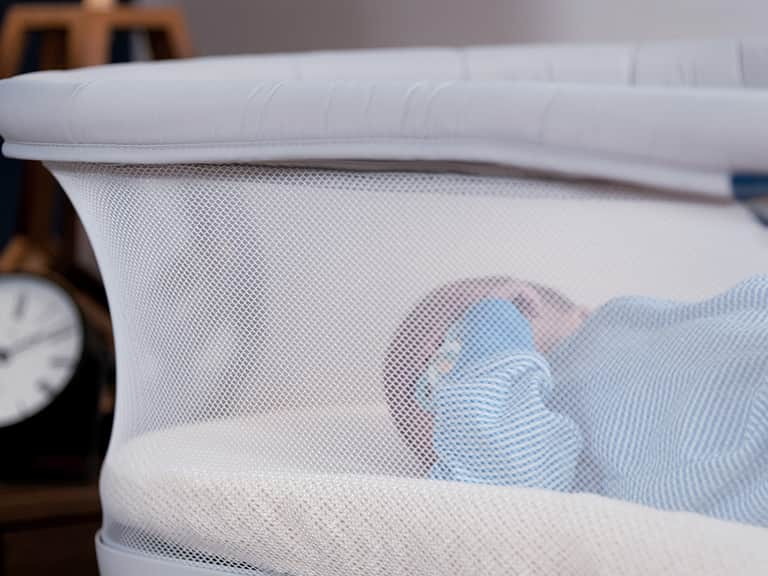
Crib mattresses are specialized sleeping surfaces designed to fit standard crib dimensions while prioritizing safety, support, and materials suitable for infants. When selecting a crib mattress, consider firmness, moisture-wicking properties, and a snug fit to minimize gaps around the edges. Understanding these features helps caregivers support healthy sleep habits for newborns and infants.
A key factor in crib mattress design is firmness, which provides essential spinal support and reduces the risk of suffocation or SIDS. Most pediatric guidelines recommend a firm, flat sleeping surface with minimal indentation under the infant. Materials like high-density foam or innerspring cores often balance durability with a safe, supportive feel for baby sleep.
Material composition and cover fabrics influence durability, breathability, and cleanliness. Hypoallergenic, washable, or wipe-clean covers can simplify maintenance, while breathable constructions help regulate temperature and reduce heat buildup. Parents may also encounter organic or low-toxin options that emphasize reduced chemical exposure in the sleeping environment.
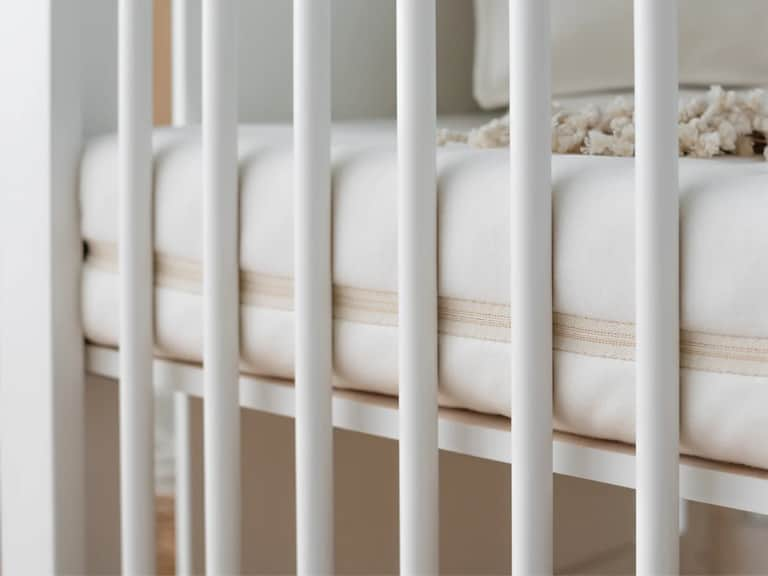
In the Obasan Organic Crib Mattress line, products emphasize organic materials and safe craftsmanship. Features typically include organic cotton covers, natural or plant-based core components, and rigorous safety testing. Functional benefits include reduced exposure to synthetic additives, improved breathability, and consistent firmness suitable for infants across growth stages.
Beyond core sleep performance, crib mattresses should maintain a snug fit within standard cribs to prevent gaps that could pose entrapment risks. Evaluating certifications, durability, and compatibility with fitted crib sheets ensures long-term usability and hygienic sleep spaces, aligning with broader bedding principles that include pillows, sheets, and organic mattress considerations for infants.
 Nursery